
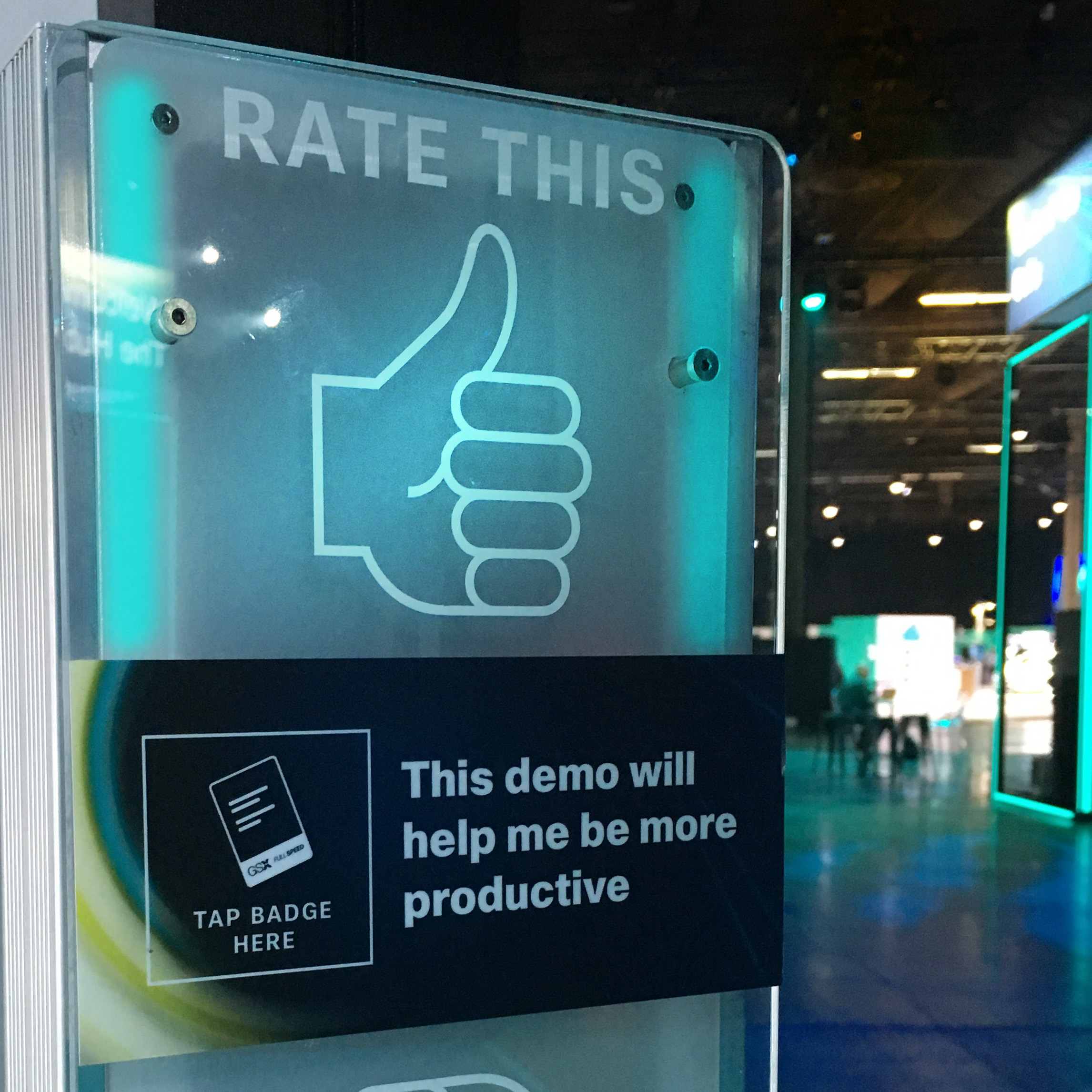
Executive Summary: Traditional experiential event metrics like lead capture and social shares miss critical insights that drive real brand improvements. This article explores creative measurement approaches that capture authentic consumer sentiment in the moment, including RFID-enabled feedback systems, emotional heat mapping, silence metrics, and path deviation analysis. The key insight: “negative” data about what consumers don’t understand or don’t like is often more valuable than positive engagement metrics, providing actionable intelligence that traditional surveys and focus groups fail to uncover. (4-minute read)
In experiential marketing, the question “How do you measure success?” typically leads to predictable answers: lead capture forms, hashtag tracking, social shares, and conversion rates. While these metrics provide valuable data, they often miss the deeper, more actionable insights that can transform how brands understand their audiences. The real innovation in measurement isn’t just about capturing more data—it’s about capturing the right data at the right moment.
The Power of “Bad” Information
One of the most undervalued opportunities in brand activations is the chance to discover what isn’t working. Traditional metrics focus on positive engagement, but negative feedback—when captured authentically—can be exponentially more valuable. Understanding what consumers don’t like, don’t understand, or find confusing about your brand provides actionable intelligence that focus groups rarely deliver. Why? Because you’re capturing real reactions in context, not manufactured responses in a conference room six weeks later.
Consider a tech conference we designed for 17,800 attendees moving between seven venues in Las Vegas. Instead of relying on mandatory exit surveys that attendees typically rush through or skip entirely, we installed 80-100 physical LIKE buttons throughout the entire experience. Attendees could vote in real-time on every aspect of the event—keynote speeches, expo demos, panel discussions, even the coffee stations. Each vote was tied to their RFID-enabled event badge, creating accountability while maintaining ease of use.
The results were revelatory. By capturing sentiment in the moment rather than days later, we discovered new patterns from the traditional exit surveys. Attendees were more honest, more engaged, and more willing to express dissatisfaction when they could do so immediately. Some findings validated assumptions; others challenged long-held beliefs about what attendees valued. The data was messy, sometimes unflattering, but ultimately far more useful than the sanitized feedback from traditional surveys.
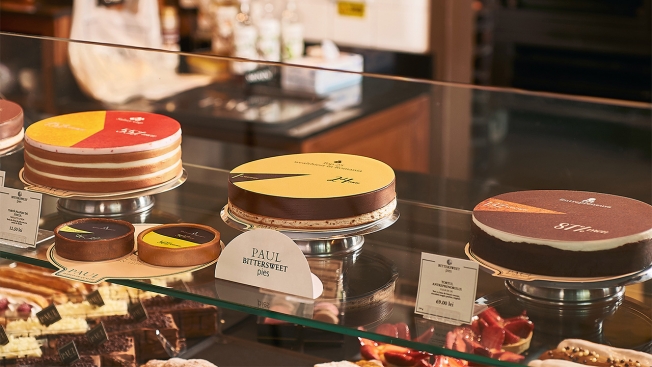
Be creative, share tasty “options” on baked goods to quickly capture sentiment while adding delight.
Creative Measurement in Action
The challenge for experiential marketers is designing measurement systems that feel native to the experience rather than intrusive. Here are several unorthodox approaches that have proven successful:
Emotional Heat Mapping Through Facial Recognition
A luxury automotive brand installed discreet cameras at key moments during test drive experiences—not to surveil, but to capture genuine emotional responses. Using facial recognition software calibrated for emotional states, they mapped when drivers smiled, frowned, or showed surprise. The data revealed that the “wow moment” wasn’t the acceleration everyone expected, but rather a subtle ambient lighting feature that adjusted based on driving conditions. This insight redirected millions in marketing spend toward features that actually resonated.
Micro-Moment Surveys Through Smart Wearables
A fitness brand activation gave participants smart wristbands that vibrated at random intervals throughout the experience, prompting a single-question response via a three-button interface: “Rate what you’re experiencing right now.” The randomization ensured authentic in-the-moment feedback across all aspects of the activation, from product demos to wait times to ambient music. The aggregated data created a real-time emotional map of the entire experience.
Path Deviation Analysis
Rather than just tracking foot traffic, a retail pop-up used overhead mapping technology to track how people deviated from expected paths. If someone doubled back, lingered unexpectedly, or took an unusual route, the system flagged it. These “path anomalies” revealed which displays created confusion, which generated curiosity strong enough to interrupt a shopping journey, and which were simply ignored despite premium placement.
The Silence Metric
A museum installation tracking a social impact campaign took an inverse approach: they measured silence. Using ambient sound sensors, they tracked how long visitors paused at different exhibits. The longest pauses—complete silence—indicated deep engagement or emotional impact. This “dwell in silence” metric became their primary KPI, revealing which stories truly moved people versus which ones generated superficial interaction. It’s important to point out it is not about capturing and storing distinct audio. It is about creating a meaningful yet abstracted feedback loop that the client agrees with.
Conversation Sentiment Analysis
In contrast, a beverage brand placed “social lounges” throughout their activation space with ambient microphones (with clear opt-in signage). They weren’t recording conversations—they were measuring conversation volume, tone, and laughter frequency. Areas with more laughter and animated conversation indicated successful social engagement. Quiet zones revealed where the experience fell flat, even if foot traffic was high.
The Non-Response Response
One particularly clever approach involved tracking what people didn’t do. A tech company placed QR codes throughout their activation, each leading to additional information about specific features. The metric wasn’t how many people scanned—it was which codes were consistently ignored. This “rejection data” revealed which features needed better explanation or simply didn’t interest their target audience, saving the brand from over-investing in features that looked good on paper but failed in reality.
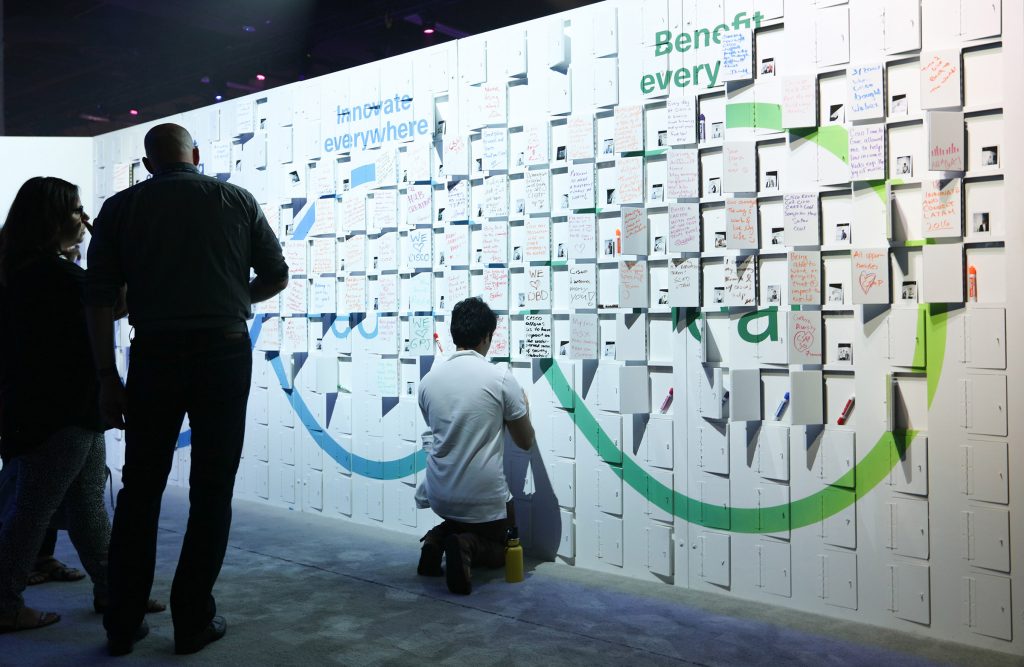
Analog comment & sharing walls are classic engagement for visitors but capturing the data is arduous at best.
Designing for Discovery
As noted in our previous article on measuring experiential marketing success, the key to meaningful event metrics start with meaningful design. Before the activation begins, stakeholders must align on what success looks like—including what uncomfortable truths they’re willing to hear.
The most effective measurement strategies share common characteristics: they’re frictionless for participants, they capture data in context, they measure both action and inaction, and they’re designed to surface unexpected insights rather than confirm existing assumptions.
Standard metrics—leads captured, social mentions, conversion rates—still matter. But the brands that truly innovate in experiential marketing are those willing to dig deeper, ask harder questions, and design measurement systems that capture the messy, complicated, sometimes unflattering reality of how consumers actually experience their brands.
Because sometimes the most valuable insight isn’t learning what worked. It’s learning what didn’t—and why.