
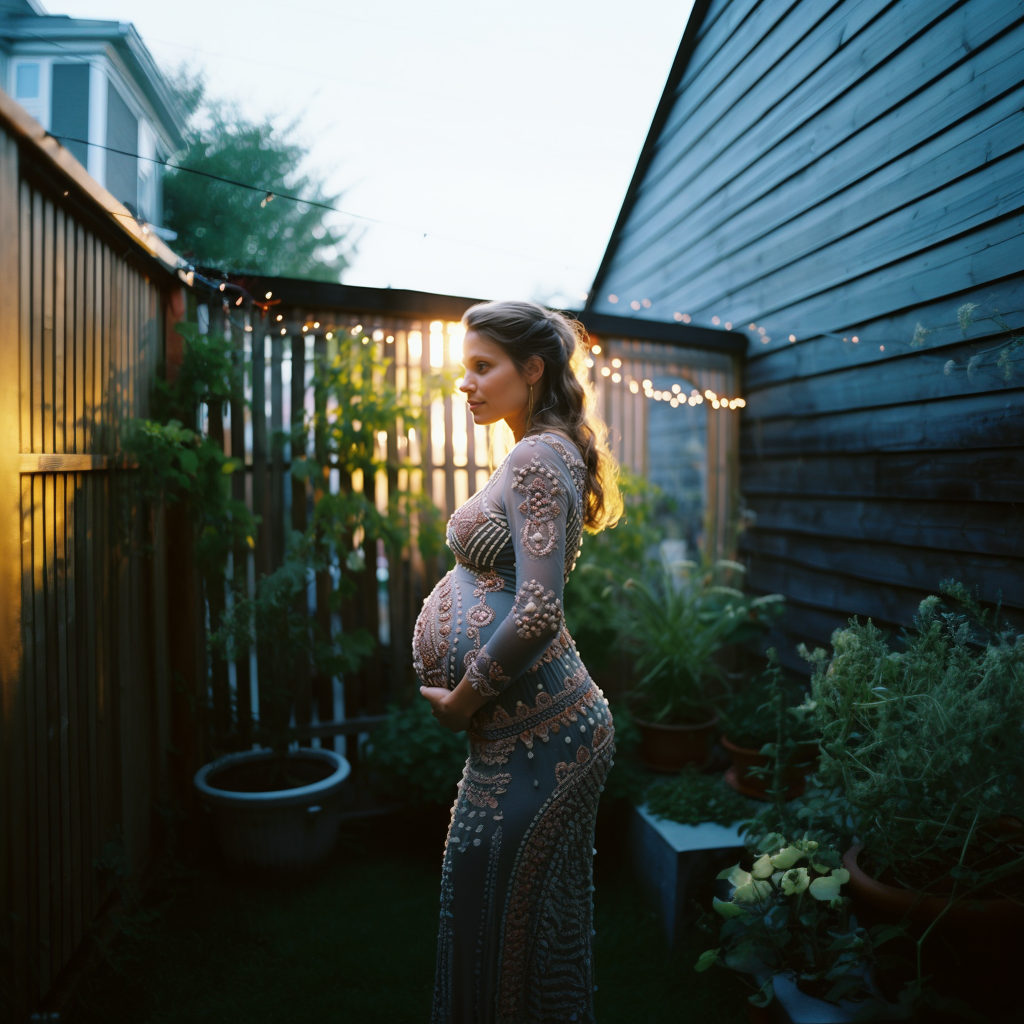
Understanding Why Your Hair Changes During Pregnancy
Pregnancy transforms your body in remarkable ways, and your hair is no exception. If you’ve noticed your locks becoming thicker, shinier, or behaving completely differently since becoming pregnant, you’re experiencing one of the most common yet surprising effects of maternal hormones. Understanding these changes is the first step to maintaining healthy, beautiful hair throughout your pregnancy journey and beyond.
The Hormonal Revolution: What’s Happening Inside
During pregnancy, your body experiences dramatic hormonal shifts, particularly increases in estrogen and progesterone. These hormones don’t just support your growing baby—they profoundly affect your hair growth cycle. Estrogen extends the anagen phase (the active growth phase) of your hair, meaning fewer strands enter the shedding phase. The result? Many women experience their fullest, most luxurious hair during the second and third trimesters.
Additionally, increased blood circulation and nutrient delivery to your scalp can enhance hair quality, while higher levels of androgens may increase oil production—explaining why some women’s hair becomes greasier during pregnancy while others enjoy newfound shine and body.
Debunking Common Pregnancy Hair Myths
Let’s separate fact from fiction when it comes to pregnancy haircare. These persistent myths can cause unnecessary worry or lead to poor hair health decisions:
Myth #1: You Can’t Color Your Hair While Pregnant
The Truth: Modern hair dyes are generally safe after the first trimester. The small amount of chemicals absorbed through the scalp is minimal. However, many women prefer ammonia-free dyes, highlights (which don’t touch the scalp), or plant-based alternatives like henna for peace of mind. Always ensure good ventilation and consider consulting your healthcare provider.
Myth #2: Cutting Your Hair Will Make It Grow Faster
The Truth: Hair grows from the follicle, not the ends. While regular trims prevent split ends from traveling up the hair shaft (which can cause breakage), they don’t accelerate growth. However, healthy ends do make your hair appear fuller and healthier during pregnancy.
Myth #3: Pregnancy Always Makes Hair Thicker and More Beautiful
The Truth: While many women experience improved hair quality, hormones affect everyone differently. Some women develop greasier hair, dandruff, or even temporary texture changes. About 40-50% of pregnant women notice increased hair thickness, but others may experience thinning, particularly if dealing with nutritional deficiencies or severe morning sickness.
Myth #4: Postpartum Hair Loss Means Something Is Wrong
The Truth: Postpartum shedding (telogen effluvium) is completely normal and affects up to 90% of new mothers. You’re not actually losing more hair than usual—you’re simply shedding the hair that would have fallen out during pregnancy if not for elevated estrogen levels. This temporary shedding typically peaks 3-4 months postpartum and resolves within 6-12 months.
Your Hair’s Journey: A Trimester-by-Trimester Guide
Pre-Pregnancy: Your Baseline
Normal Hair Cycle: Your hair naturally cycles through growth (anagen), transition (catagen), and resting/shedding (telogen) phases. On average, you shed 50-100 hairs daily as part of this normal cycle.
What to Expect: Consistent texture, volume, and oiliness based on your individual hair type and care routine.
First Trimester (Weeks 1-13): The Adjustment Period
Hormonal Changes: Rising estrogen and progesterone begin altering your hair cycle, though changes may not be immediately visible.
What You Might Notice: Some women experience oilier hair or changes in texture. If you’re dealing with morning sickness, nutritional deficiencies may temporarily weaken hair. This is also the safest time to avoid chemical treatments if you’re being extra cautious.
Second Trimester (Weeks 14-27): The Golden Period
Peak Hair Health: Elevated estrogen keeps hair in the growth phase longer, resulting in less shedding and fuller-looking hair.
What You Might Notice: Thicker, shinier hair with increased volume. Many women report this as the best their hair has ever looked. Improved circulation may enhance natural shine and accelerate growth.
Third Trimester (Weeks 28-40): Maintaining Momentum
Continued Fullness: Hormones remain elevated, keeping hair in the growth phase. However, increased body temperature and hormonal fluctuations may affect scalp oil production.
What You Might Notice: Hair continues to appear full and healthy, though some women experience increased oiliness or scalp sensitivity. Physical discomfort may make hair maintenance routines more challenging.
Postpartum (0-12 Months): The Reset Phase
Hormonal Plunge: Estrogen levels drop rapidly after delivery, triggering the telogen effluvium phase where accumulated hair enters the shedding cycle simultaneously.
What You Might Notice: Significant shedding typically begins 2-4 months postpartum, peaking around 3-4 months. You may notice hair accumulation in the shower, on your brush, or around your hairline. While alarming, this is temporary. Hair growth normalizes within 6-12 months as your hormones stabilize. Some women notice new baby hairs growing in around the hairline during recovery.
Your Complete Pregnancy Haircare Routine
Now that you understand the science behind your hair changes, here’s a comprehensive guide to nurturing healthy, beautiful hair throughout pregnancy and into the postpartum period:
1. Nutrition: Building Strong Hair from Within
Healthy hair starts with proper nutrition. Your prenatal vitamin provides a foundation, but a well-balanced diet rich in specific nutrients supports optimal hair growth and strength.
Essential Nutrients for Hair Health:
- Biotin (Vitamin B7): Supports keratin production; found in eggs, nuts, and sweet potatoes
- Folic Acid (Vitamin B9): Promotes cell division in hair follicles; abundant in leafy greens and fortified grains
- Iron: Prevents hair thinning caused by anemia; found in lean meats, beans, and spinach
- Omega-3 Fatty Acids: Nourish hair follicles and support scalp health; present in salmon, walnuts, and flaxseed
- Protein: Hair is made of keratin (protein); ensure adequate intake through lean meats, legumes, and dairy
- Vitamin D: Supports follicle health; get sunlight exposure and consider supplementation if deficient
2. Gentle Cleansing: Finding Your Balance
Pregnancy hormones can make your scalp oilier or more sensitive. Choose sulfate-free, gentle shampoos that cleanse without stripping natural oils.
Recommended Products:
- OGX Nourishing + Coconut Milk Shampoo: Budget-friendly, sulfate-free option with hydrating coconut milk.
- Briogeo Be Gentle, Be Kind Avocado + Kiwi Mega Moisture Superfood Shampoo: Nourishing, color-safe formula perfect for pregnancy.
- Pura D’or Original Gold Label Anti-Thinning Biotin Shampoo: Sulfate-free formula with biotin and natural ingredients.
3. Conditioning: Hydration for Healthy Ends
Apply conditioner from mid-length to ends, avoiding roots to prevent greasiness. Deep conditioning treatments once weekly provide extra nourishment.
Top Picks:
- SheaMoisture Manuka Honey & Yogurt Hydrate + Repair Conditioner: Protein-rich formula that strengthens and moisturizes.
- Olaplex No. 5 Bond Maintenance Conditioner: Repairs damaged bonds and adds shine.
4. Heat Styling: Minimize Damage
Pregnancy is the perfect time to embrace your natural texture. Reduce heat tool use and always apply heat protectant when styling.
Essential Heat Protection:
- TRESemmé Thermal Creations Heat Tamer Spray: Affordable protection up to 450°F.
- Kenra Professional Platinum Blow-Dry Spray: Professional-grade protection with added shine.
5. Regular Trims: Prevent Split Ends
Schedule haircuts every 6-8 weeks to maintain healthy ends and prevent split ends from traveling up the hair shaft. This is especially important during pregnancy when you want to maximize your hair’s appearance.
6. Chemical Treatments: Proceed with Caution
While modern hair dyes are generally considered safe after the first trimester, many pregnant women prefer natural alternatives:
Safer Coloring Options:
- Light Mountain Natural Hair Color & Conditioner: 100% plant-based henna formula.
- Madison Reed Radiant Hair Color Kit: Ammonia-free, safer alternative to traditional box dyes.
7. Scalp Care: The Foundation of Healthy Hair
Gentle scalp massage enhances blood circulation, promoting hair growth. Natural oils provide nourishment without harsh chemicals.
Scalp Treatment Essentials:
- Viva Naturals Organic Coconut Oil: Pure, cold-pressed oil for scalp massage and deep conditioning treatments.
- Briogeo Scalp Revival Charcoal + Coconut Oil Micro-Exfoliating Shampoo: Deep-cleanses and detoxifies the scalp.
8. Stay Hydrated: Water for Hair Health
Adequate water intake (8-10 glasses daily) keeps your body and hair hydrated from the inside out, preventing dryness and brittleness. Dehydration can make hair appear dull and lifeless.
9. Prenatal Vitamins: Your Hair’s Best Friend
Your prenatal vitamin contains essential nutrients for hair health. Consult your healthcare provider before adding any supplements.
Top-Rated Prenatal Vitamins with Hair-Healthy Nutrients:
- Ritual Essential Prenatal Multivitamin: Contains biotin, folate, and omega-3 DHA.
- Nature Made Prenatal Multi + DHA: Comprehensive formula with folic acid and iron.
10. Stress Management: Protect Your Hair from Within
Chronic stress can trigger hair loss and disrupt the growth cycle. Practice prenatal yoga, meditation, or gentle exercise to manage stress levels. Even 10-15 minutes of daily relaxation can benefit both your mental health and hair quality.
11. Sun Protection: Shield Your Strands
UV rays damage hair protein structure, causing dryness, color fading, and brittleness. Protect your hair with hats or UV-protective products.
UV Protection Products:
- Sun Bum Beach Formula 3-in-1 Leave-In Spray: Detangles, conditions, and provides UV protection.
12. Silk Pillowcase: Sleep Your Way to Better Hair
Silk or satin pillowcases reduce friction during sleep, minimizing breakage, tangles, and frizz—especially beneficial as your hair becomes fuller during pregnancy.
Top Silk Pillowcase:
- Slip Pure Silk Pillowcase: 100% pure mulberry silk, reduces hair damage and sleep lines.
Managing Postpartum Hair Loss
Remember, postpartum shedding is temporary and normal. While you can’t prevent it entirely, you can support your hair through this transition:
- Continue prenatal vitamins: If breastfeeding, maintain your prenatal vitamin regimen
- Be gentle: Use wide-tooth combs, avoid tight hairstyles, minimize heat styling
- Consider volumizing products: Lightweight mousses or root lifters can help hair appear fuller during the shedding phase
- Manage stress: New motherhood is stressful; prioritize self-care when possible
- Consult your doctor: If shedding continues beyond 12 months or seems excessive, rule out thyroid issues or nutritional deficiencies
Postpartum Hair Support Products:
- Nutrafol Women’s Balance Hair Growth Supplement: Clinically tested for postpartum hair support.
- Living Proof Full Dry Volume Blast: Adds instant volume without weighing hair down during the shedding phase.
Final Thoughts: Embracing Your Pregnancy Hair Journey
Your hair journey through pregnancy and postpartum is as unique as your pregnancy itself. While hormonal changes are largely out of your control, the way you care for your hair can make a significant difference in its health and appearance. By understanding the science behind these changes, debunking common myths, and following evidence-based haircare practices, you can nurture strong, beautiful hair throughout this transformative time.
Remember that the products and routines that worked pre-pregnancy may need adjustment. Listen to your hair, be patient with postpartum shedding, and don’t hesitate to consult your healthcare provider if you have concerns about excessive hair loss or scalp issues.
Most importantly, be kind to yourself. Pregnancy and new motherhood bring enough challenges—your hair doesn’t need to be one of them. With the right knowledge and tools, you can enjoy healthy, vibrant hair as you embrace this special chapter of your life.
Always consult your healthcare provider for personalized advice during pregnancy and postpartum. This guide is for informational purposes and does not replace medical guidance.